KUBOTA EGR DELETE
Small displacement makes this worse, not better
Exhaust gas recirculation lowers combustion temperature by feeding spent gas back into the intake, which cuts nitrogen oxide formation. The recirculated fraction is set as a proportion of intake volume — so a 2.6-litre U55-4 and a 6.1-litre M7 are both taking a similar share. The difference is what that share does once it is inside.
On a small engine the intake tract is narrow, the valves are small, and there is simply less room before deposits start to matter. The same soot-and-oil mixture that a large engine tolerates for years will restrict a compact one noticeably sooner. This is why EGR work on Kubota equipment tends to be about longevity rather than power.
Advantages of a Kubota EGR delete
- An intake that stays clean. No recirculated soot means no gradual restriction of the tract, and no loss of the airflow the engine was designed around.
- One less cooler to fail. The EGR cooler carries hot exhaust through a water jacket; when it cracks, exhaust enters the cooling system. On these engines it is a known and costly failure.
- Oil that stays oil. Exhaust contamination is what turns a drain interval into a guess.
- Lower thermal load. Recirculated gas is hot gas, and it is going back into an engine that is already working hard for its size.
Frequently Asked Questions (FAQs)
- Will my machine run hotter? Coolant temperature usually settles slightly lower, because the cooling system is no longer carrying the EGR cooler’s heat load.
- Does this affect the DPF? It changes what the filter has to deal with — less soot reaching it. If the filter is already the problem, read the DPF page as well.
- Is this worth doing on a low-hour machine? It is preventative. Owners who plan to keep a machine for a decade tend to say yes; owners planning to sell in two years tend to say no.
Kubota® is a registered trademark of Kubota Corporation. Tuning24 is not affiliated with, authorised by or endorsed by Kubota Corporation; the name is used here only to identify the equipment our services are compatible with.
FIND YOUR CLOSEST DEALER
Kubota EGR Delete: the case for and against
Whether this is worth doing on your machine depends almost entirely on what you intend to do with it and where you work it.
Advantages of a Kubota EGR delete
- Deposits stop accumulating in the intake, so the airflow the engine was calibrated around stays as it was.
- The EGR cooler and its valve are removed from the list of things that can strand the machine.
- Engine oil stays cleaner between services, which on a small sump translates directly into wear.
- Combustion is cleaner, which reduces what the particulate filter downstream has to capture.
Disadvantages of a Kubota EGR delete
- Nitrogen oxide output rises. This is the trade, and there is no version of this work where it does not happen.
- The machine no longer conforms to the emissions standard it was approved to.
- In markets with equipment inspection, this limits who will buy the machine from you.
- As with any calibration work: without the original saved, it cannot be reversed.

New Holland T8.390 Performance Upgrade & AdBlue System Removal
New Holland T8.390 Performance Upgrade & AdBlue System Removal with Tuning24!
Read more →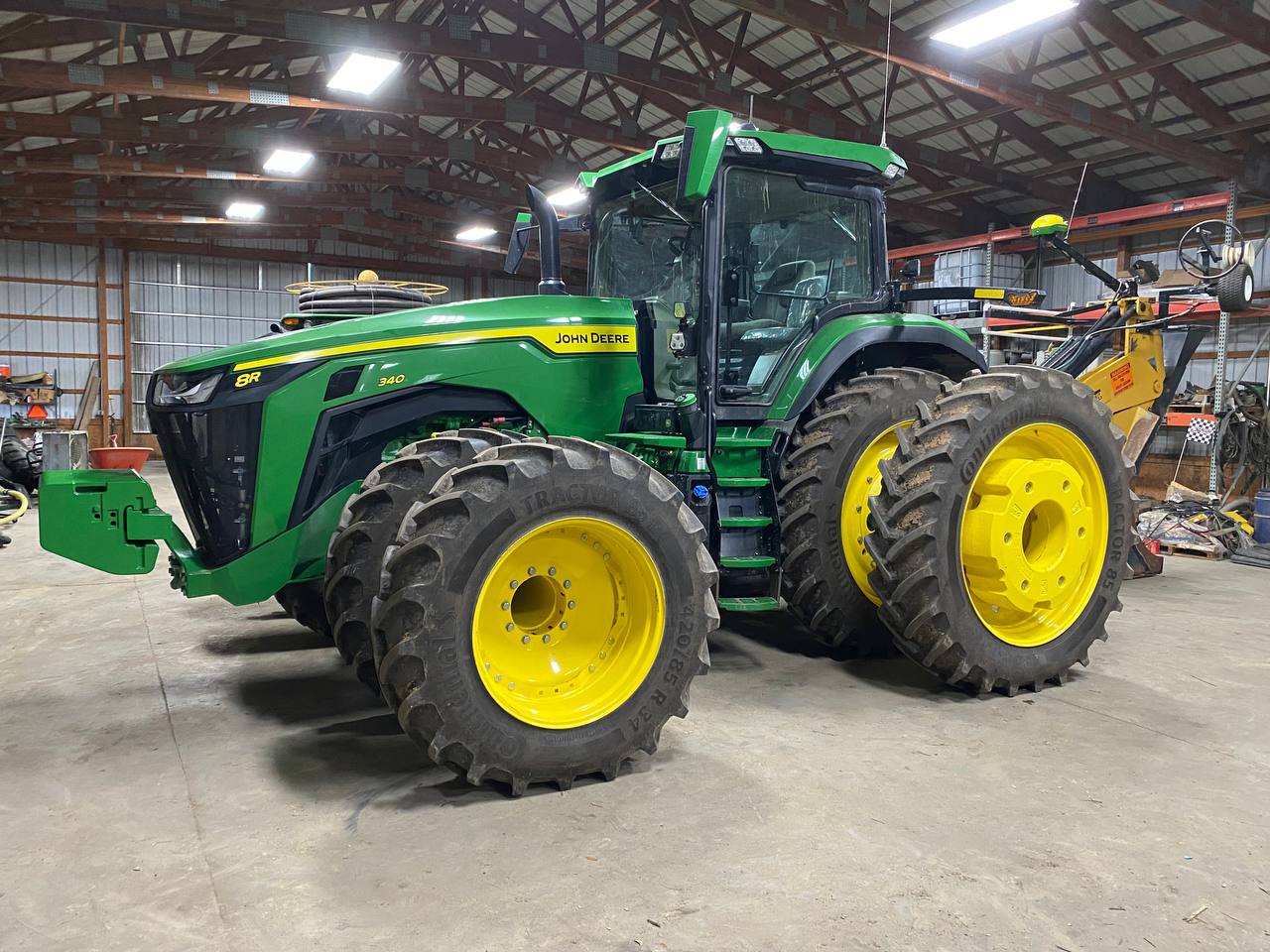
John Deere 8R340 Tractor Tier5 Now Available
Performance Tunes and DEF delete available now!
Read more →
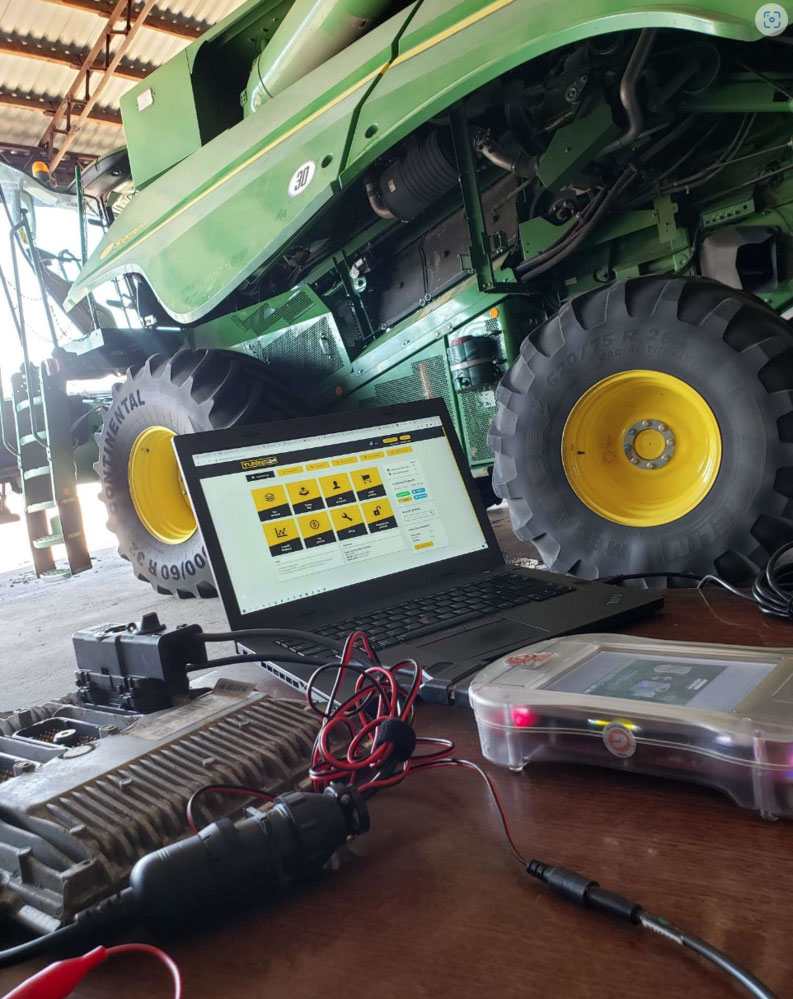
John Deere DPF delete for a harvester
Unlock the full potential of your John Deere harvester with a DPF delete.
Read more →