KUBOTA DEF DELETE
Which Kubotas this applies to
Most Kubota engines meet Tier 4 without selective catalytic reduction. They use a particulate filter and exhaust gas recirculation, and they carry no DEF tank at all. SCR appears on the larger M-series tractors — the M5, M6 and M7 families and their Tier 4 B and Final variants. The compact L, LX and MX tractors, the excavators and the loaders do without it. The M series is where a DEF delete is a real question rather than a theoretical one.
If you are not sure which camp your machine falls into, the quickest test is the filler: no blue cap, no SCR.
What a Kubota DEF delete does
The calibration is rewritten so the engine no longer expects a working SCR system. Dosing stops, the NOx sensors are no longer consulted, and the countdown-to-derate logic that comes with them is removed. The engine runs on its own fuelling and air maps.
Why owners ask for it
- The derate is the real problem. A failed NOx sensor or a crystallised dosing injector does not simply log a fault — it steps your power down, often in the middle of a job, and it does not care whether the emissions problem is genuine.
- DEF does not survive winter well. It freezes at around -11 °C, and a machine that sits outside between jobs will find that out.
- The consumables add up. Fluid, filters, the dosing pump, the injector, the sensors — on an ageing machine these are recurring costs on a system that produces no work.
Frequently Asked Questions (FAQs)
- Does my machine lose power? No. The opposite is more common: a machine that was quietly derating gets its full output back.
- What happens to the tank and hardware? That is a decision for your dealer. The calibration does not require anything to be removed to run correctly.
- My Kubota has no DEF at all. Do I need this? No. Look at the DPF and EGR pages instead — that is where the smaller engines’ problems live.
Kubota® is a registered trademark of Kubota Corporation. Tuning24 is not affiliated with, authorised by or endorsed by Kubota Corporation; the name is used here only to identify the equipment our services are compatible with.
FIND YOUR CLOSEST DEALER
Diesel Exhaust Fluid on a Kubota
Selective catalytic reduction works by injecting urea solution into hot exhaust, where it converts nitrogen oxides into nitrogen and water. It is an effective system when it is working, and it needs three things to keep working: clean fluid, a healthy dosing circuit and sensors that agree with each other. On a machine that runs every day at high load, that is usually the case. On a machine that sits for weeks, it often is not.
1. Crystallisation
Urea crystallises when it dries. In a dosing injector that spends long periods idle — exactly the pattern of a seasonal or intermittently used tractor — the deposits build up until the spray pattern fails. The system reads a dosing fault and responds with a derate.
2. Contamination
DEF is sensitive to what it is stored in and what it is decanted with. A funnel that has seen diesel, a drum that has been open through a humid summer, a top-up from a can that was not clean: any of these can put a machine into a fault state that no amount of topping up will clear.
3. Sensors that disagree
NOx sensors age, and their readings drift. When the upstream and downstream sensors no longer tell a consistent story, the control unit assumes the catalyst has failed. The result is the same as a real failure: a derate.
Disadvantages of a Kubota DEF delete
- The machine no longer meets the emissions standard it was type-approved to, which matters wherever that approval matters.
- Resale into a market that inspects emissions equipment becomes harder.
- The work is only reversible if the original calibration was saved before it was overwritten. We keep it; make sure whoever does the work does too.
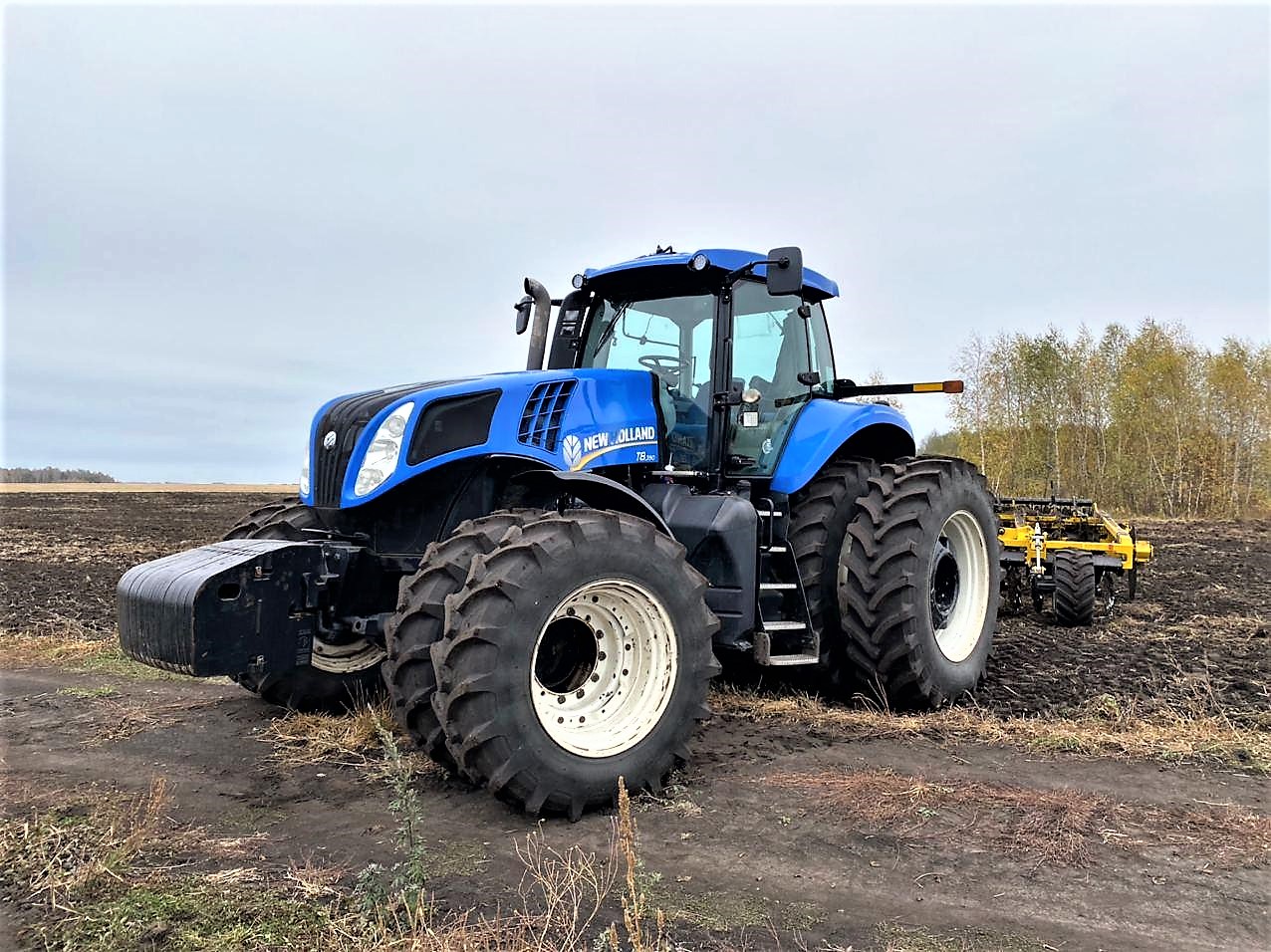
New Holland T8.390 Performance Upgrade & AdBlue System Removal
New Holland T8.390 Performance Upgrade & AdBlue System Removal with Tuning24!
Read more →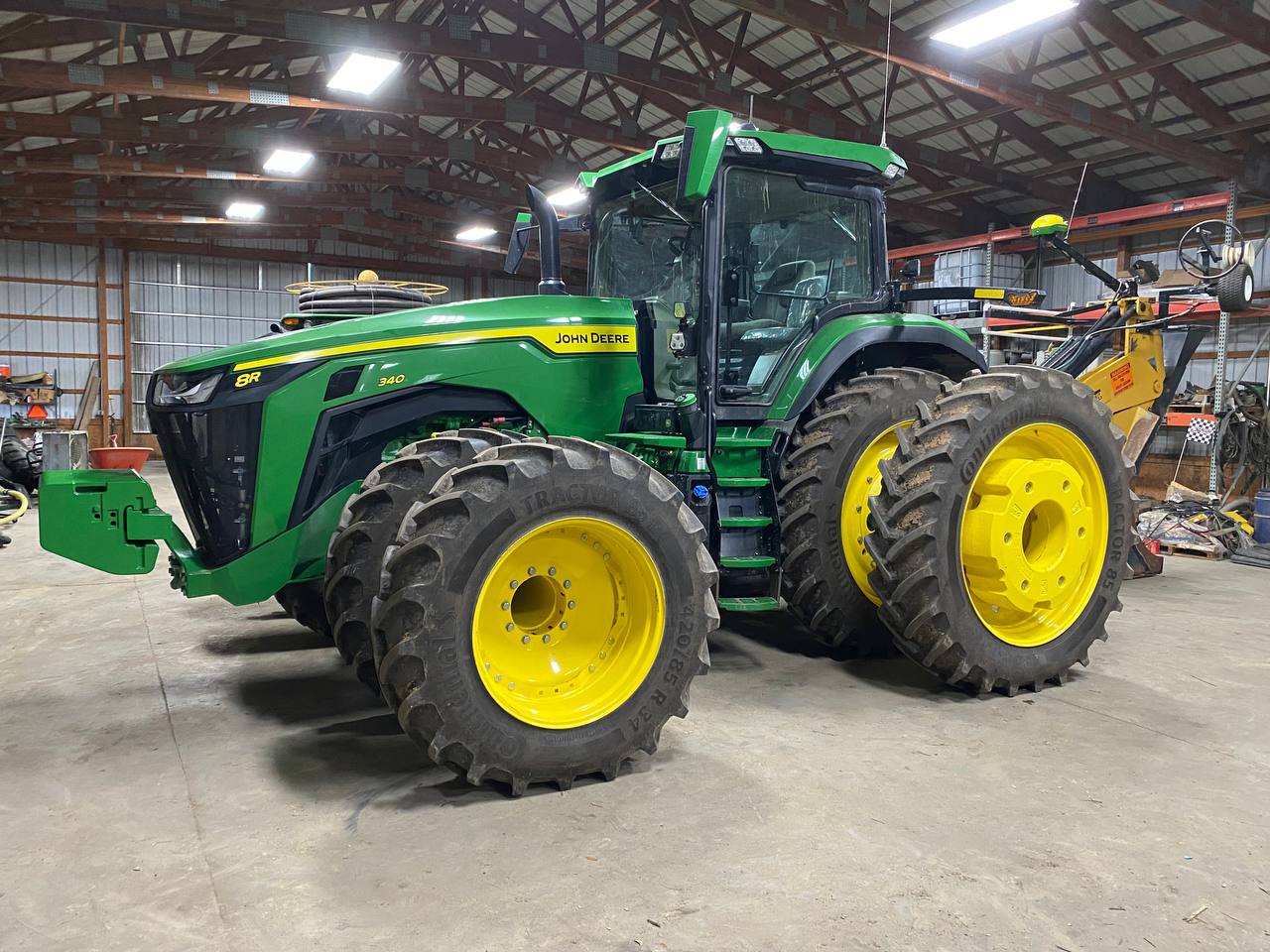
John Deere 8R340 Tractor Tier5 Now Available
Performance Tunes and DEF delete available now!
Read more →
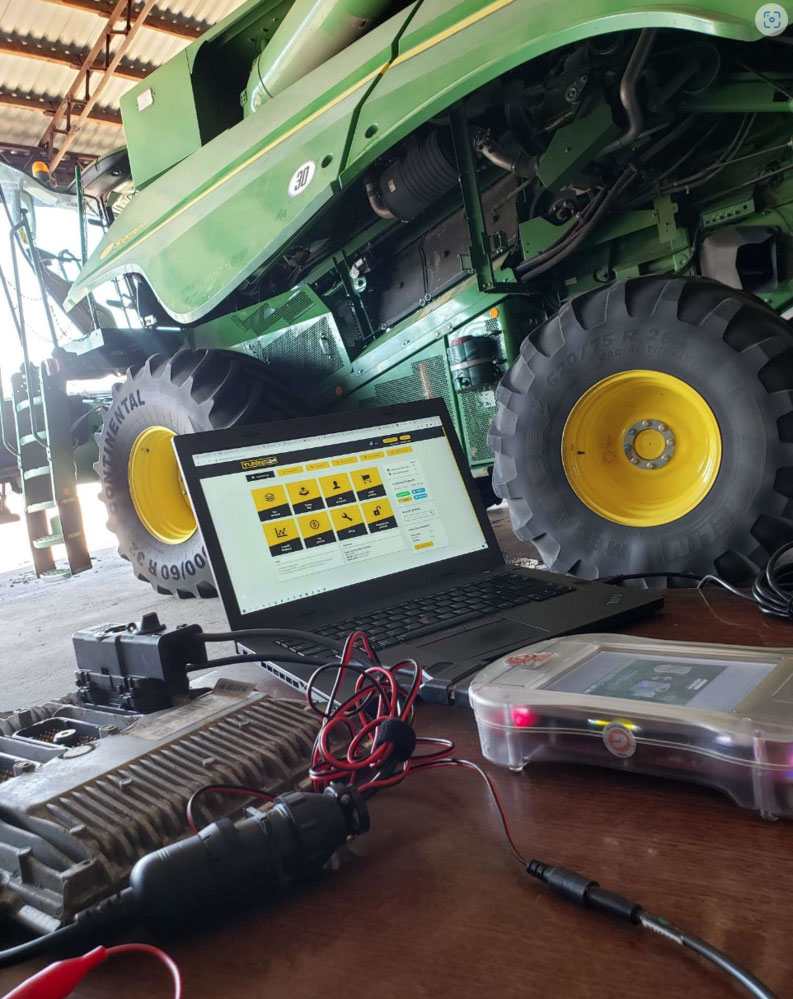
John Deere DPF delete for a harvester
Unlock the full potential of your John Deere harvester with a DPF delete.
Read more →